

Mitch Smith
3 months ago
We can't say enough about how great the Cantick Cottage accommodations are! We recently stayed on the day of our elopement on Hoy and overnight that night. Alan was kind enough to make an exception for us for a one-night stay given the special occasion and we couldn't be more grateful to him for that! The cottage is lovely - very well appointed, cozy and so comfortable. Our only regret is that we couldn't have stayed longer, but our Scotland elopement adventure had us moving on the following day. The location of Cantick is breathtaking, literally at ocean's edge. We would not hesitate to recommend Cantick Cottage to other travelers for a special Hoy getaway and feel blessed that it played such a big role in our special day on Hoy!!
~ Mitch & Bronwen (Canada)

Chris Kendall
3 months ago
Very clean cottage with good facilities.
Alan and Vicki were always on hand and were very helpful.
We had a great week and would certainly recommend this cottage.

Heather Baresich
3 months ago
Our family of four enjoyed three nights at Cantick Head Lighthouse June 29-July 2. It was so relaxing. The cottage was much bigger than I had envisioned and we had plenty of room. The beds were very comfortable. The kitchen was well equipped, and we bbqd one night as well. The landscape surrounding the property was so beautiful and it was fun to have sheep roaming about everywhere we went. The views of the water and the numerous seabirds were amazing. We saw Puffins and a Seal! This was a very unique experience! The accommodations and island were our favourite part of our trip. We would not hesitate to return if we ever had the chance again. Thank you to Alan, Vicky and John for being such friendly hosts.

Phil Egerton
4 months ago
This was the 5th lighthouse we have stayed in. All have been really good but Cantick Head is outstanding.
Alan and Vicky are superb hosts - very welcoming, helpful, warm and engaging. The accommodation is by far the best we've had in a lighthouse with large well appointed rooms and is very comfortable. There is even a hot tub and a sauna!!
The views from the lighhouse are unbelievable with the Pentland Firth and Scottish mainland in one direction and Scapa Flow and hills of Hoy in another. Just stunning. We were there for a week and loved Hoy. It's beautiful and the small population are so friendly - drivers wave as they pass you (there are not many cars but the roads are good).
It's 2 ferries from the Scottish mainland (good service from Pentland Ferries and Orkney Ferries) but well worth the effort. We loved Cantick Head Lighthouse.

Geoff Regan
4 months ago
Great location, lovely people, comfortable cottage. Loved the seabirds colony along the cliffs, and managed to make use of both sauna and hot tub. Fabulous.

Juliane Siegmeyer
2 years ago
Beautyful place, lovely cottage, friendly host and a stunning landscape... Perfect stay with our Dogs ❤️

Hannah Beaven
2 years ago
We had a very relaxing girls weekend at Cantick Head. Beach wanders, good food, bubbles and a very chilled out afternoon in the sauna and hot tub. Just what we were all needing!
The cottage is lovely and cosy, kitchen is very well equipped. We didn't get a chance to use any of the vast collection of games or dvds as we were too busy chatting.
Excellent stay - made even better by the presence of the 3 dogs!

Storky Adventures
2 years ago
We stayed at Cantick head for 3 nights… and one word comes to mind, WOW.
What an incredible place!
We had the most relaxing and peaceful stay at the lighthouse cottage, Alan was super friendly and helpful, not to mention their lovely dogs, Ruby, Ziggy and, I’m sorry I can’t remember the other lovely dog’s name!)
It was so cosy, we loved all features especially the outdoor sauna and hot tub underneath the lighthouse looking out at sea.
We could spend hours looking out at the dramatic views spotting wildlife.
It’s a real break away from civilisation, we have never stayed somewhere so remote and it was truly a place to really turn down all the noise and tune into nature.
Cantick head has become one of our favourite staycations we have ever had.
We will certainly be returning as soon as we can!

Sophie's Legacy
2 years ago
We stayed for 5 nights at Cantick Head Lighthouse. This is our fourth time of visiting and it never fails to disappoint.
It is so hard to describe how incredible this place is. No photo quite does it justice. If you're after a place to have peace, relaxation, see stunning sceneries and visit a unique place then book this place. The hot tub overlooking the ocean is amazing along with the steam room. The accommodation has everything you need and if you need something then Vicky and Alan I'm sure will have it. They are the best hosts who go out of their way to make sure you have an incredible stay. The king size bed is huge, could fit three in it 🤣. A visit to Rackwick beach is a must. Already booked next year as this place is paradise. You will not be disappointed if you book this accommodation and no wonder it continues to get 5 star reviews.

Karen Macfarlane
2 years ago
Amazing cottage in a fantastic location - couldn't ask for more.
Alan & Vicky are the best hosts - always ensuring everything was ok for us.
The cottage is a lovely home from home - super comfortable & everything has been thought of - even a hot tub & sauna.We also got a lovely welcome gift of local produce.
The views across Scapa Flow & the Pentland Firth are the best.
I highly recommend for people to visit Hoy & to stay at Cantick lighthouse cottage

Rebekka
2 years ago
We wished we could have stayed longer. Our stay with you felt like coming home after a long time away. Thank you for making us feel so welcome.
The cottage is very spacious and generously equipped with everything we needed. The sauna and hot tub were an incredible extra feature we got to experience.
If you are fortunate, you can even see whales, dolphins and nesting seabirds, wonderful countryside always included.
We truly enjoyed every second at Cantick Head Lighthouse and cannot wait to return.

David Kemp
2 years ago
We had a fabulous stay at Cantick Head. The weather was not great but the cottage more than made up for it. Alan has restored it faithfully to its Victorian era but has included all modern touches to make the stay comfortable. We particularly enjoyed the word burning stove (in June!) and the incredibly comfortable bed. Walks to the Old Man of Hoy from Rastwick and along the Cantick cliffs are recommended. The Scapa Flow and lifeboat museums are excellent.

Howard Davies
2 years ago
We thoroughly enjoyed our stay at Cantick Head Lighthouse Cottages. The accommodation was first class and the location our of this world! Alan was the perfect host, making is feel very welcome. This is truly a magical place. I would recommend it without hesitation. Thank you.

Philippa Major
2 years ago
What a fabulous place! The lighthouse keeper’s cottage is really lovely, great kitchen/dining room and a lounge too. Comfy beds and good shower and warm & cosy overall. On the day we walked Old Man of Hoy, we got back to the wood fired hot tub all ready for us to jump in and stare out into the Pentland Firth – thanks to top host Alan. The welcome pack included fresh eggs from the hens who are running around in the cottage garden, and there was a place to shelter our bikes. We booked 3 nights and stayed for 4, what more can I say?

Mario G
2 years ago

Philipp Felix
2 years ago
Outstanding life-lasting experience at a lighthouse cottage right next to the cliffs providing breathtaking views, escpecially combined with the sauna & hot tub.
The owner was also very kind and helpful providing everthing needed and giving tips what to explore on the island.
A clear recommendation for anyone who seeks a relaxing and soothing place on orkney to escape the everyday stress 🙂

Stuart Mackinnon
2 years ago
We had a fantastic time at Cantick Head. Alan was a fantastic host and took us to some amazing places, including the local pub - which did a great fish & chips!
Lots of historical sights/sites.
The accommodation is second to none! It is very roomy, lovely views to the sea and has great facilities such as a hot tub / Sauna.
Overall we had a great time and were really looked after.

Tanya Hassan
3 years ago
Stunning locations, gorgeous cottage and wonderful host.

Cees Visser
3 years ago
Where to start. Alain and Vicky don't just rent out an accommodation, but an experience. The accommodation is fantastic, the owners make it complete. Every morning we enjoyed the view, during the day we explored the island and in the afternoon we sat under the lighthouse with a cup of coffee looking out to sea or spotting animals or having a chat with the landlords. Our son was allowed to help feed the chickens or play with the dogs. There was also plenty of toys for him on the grounds. In the evening the wood stove was turned on and to top it all off, on our last day we dived into the hot tub with a view of the sea. The island of Hoy is also highly recommended. We have already made many beautiful trips, but this one is definitely number 1. This accommodation cannot be described in 1000 characters, you have to go there.

Wendy Wolmarans
3 years ago
Although I haven't stayed at the self catering part of Cantick Lighthouse I used it as a reference point for the stunning views from there hence the four star review 😍

Kathy Potts
3 years ago
A fantastic place for a short break in a stunning location. The accommodation is immaculate and the hosts are really lovely. The extra touches of chilled Prosecco and local produce on arrival made it feel more special. The hot tub overlooking the stunning scenery was a luxury. I couldn’t rate it high enough for a get away to somewhere very special. Thank you for a wonderful time.

Andy and Kate
3 years ago
Our family had a great time at Cantick Head. From fishing off the cliffs, visiting walking along the beach, swimming in rock pools to taking in the views in the hot tub! This is a beautiful place to unwind and soak in the history and nature. The cottage is perfect, very comfortable and cosy with great views over the Pentland Firth to mainland Scotland. We really enjoyed our stay and would highly recommend it to anyone!

Debrea Lewis
3 years ago
Unique holiday destination in a Lighthouse Keepers Cottage with a working lighthouse, stunning views, warm & welcoming hosts and lovely cosy cottage. It was the most fantastically relaxing holiday ever!

John Langford
3 years ago
Amazing. We have travelled a great deal and would put Cantick Lighthouse in our top three places. Why? Well what you read about it is true. Alan and Vicky are great hosts. You don’t feel like “o” here come the next ones,!! The eye for detail in the cottage is perfect. They have really put themselves in the position of being you on holiday and what do you need. If you want to feel you’re getting away from it this is the place for you in any weather. We don’t really want to be positive about this because we don’t want to find it’s hard to book for the future…

Kathi Bates
3 years ago
We first saw Cantick Head on a ferry trip from Orkney to the mainland, and we did a Google search to see what it was. We were hooked by the description and booked a 5 night stay. Cantick Head is a treasure--a beautiful, cosy cottage, very well equipped for self-catering. Quiet, breath-taking views of the sea, a place to relax or to return after a day of hiking or adventure on Hoy.

Kate Steve Redpath
3 years ago
We stayed a week and it flashed past. This is a spectacular place to stay, nestled beside a lighthouse on top of a cliff. We spent a lot of time sitting and staring out at the Pentland Firth and the wildlife. We did explore the island but we could easily have stayed here all week. The cottage was warm and comfortable. The hosts thoughtful and helpful. The sauna wonderful with one of the best views in the UK. All in all a top place to stay. Plus there were Orcas.

Tracie Ramus
3 years ago
Cantick Head Lighthouse is in the most idyllic location, with breathtaking views of sky and sea. Dawn and dusk are wonders to behold.
The cottage is the perfect combination of traditional with modern facilities. It is spotlessly clean. The hot tub and sauna whilst looking out to sea is my idea of perfect!
Host's Alan and Vicky couldn't be more helpful or accommodating, nothing is too much trouble.

Sarah Metcalfe
4 years ago
Fantastic base for an Easter break for our family of 4 and we would recommend at least a couple of nights at Cantickhead for anyone planning a trip to Orkney, to be sure to see everything Hoy has to offer. Alan and Vicky were lovely hosts and had thought of everything for this lovely cottage at the foot of the lighthouse. VERY comfortable beds and well-equipped kitchen plus games and jigsaws. Lots of animals to interact with - dogs, chickens, rescuing a sheep from a bog. Didn’t see orca this time - but we live in hope! Hoy itself was a revelation - Scapa Flow Museum and the Lifeboat Museum both exceptional, and lovely walks and beaches everywhere.

Alison Mackay
4 years ago
I had a fantastic stay here the location was amazing and the cottage had everything to make your stay comfortable I stayed in December so I only used the sauna the host was very nice and helpful i would definitely recommend it

Susan McNaughton
4 years ago
We stayed at Cantick Head Lighthouse cottage from 24 September - 1 October 2022. It was everything we had hoped for in a holiday cottage, and more. Everything we needed had been provided. The owners live in one of the other properties at Cantick Head and are nearby should you need them, but do not intrude on the privacy of the property. We enjoyed walks round Cantick Head. The nearby cliff walk to The Gloups provides plenty of interest to see. Unusual geology is exciting! On days out we visited The Scapa Flow Museum, which was very interesting and the staff there provided a warm welcome.
We also went to Beneth'ill in the north of the island one day for coffee. The walk to the Old Man of Hoy from Rackwick Bay was definitely worth doing too.
We did bring most of our food for our week's stay, but the store in Longhope provided some items we had forgotten. We were fortunate to spot several pods of porpoises passing near enough to us for us to hear them breathing! Grey seals, gannets, eiders, cormorants and plenty of waders to spot in the bays nearby. We felt very relaxed and found Cantick Head an ideal place for anyone wanting to "get away from it all". We didn't use the hot tub or sauna, but they are provided for the use of guests. All round excellent place to stay and we would definitely recommend.

Mark Craig
4 years ago
This accommodation was excellent! The rooms are spacious and comfortable. The large kitchen has some great amenities and wonderful views of the lighthouse. The view is fantastic from here. We saw porpoises and seals, plus many birds. We loved staying here. It's a quiet, restful place and a wonderful escape, yet not far from the island's attractions and necessities.

Barbara Busharis
4 years ago
This is a wonderful place to get away from the world. The cottage is comfortable and very well equipped, with lots of extra touches (such as robes to use when going back and forth to the wood-fired sauna and hot tub). The views are amazing. Sitting in the hot tub listening to the waves hitting the shore below was the ultimate relaxation. The hosts, Alan and Vicky, were helpful with all kinds of miscellaneous questions and planning details. We spent part of one day walking to the Old Man of Hoy and another just exploring the coastline near the lighthouse. We loved everything about our stay.

Claire Slight
4 years ago
We had a great time staying at cantick head. The host was very welcoming and thoughtful. We really enjoyed our welcome prosecco and treats. The hot tub was amazing and the host came to tell us there were orcas in the bay. We were greeted by some porpoises jumping around all night whilst we sat in the hot tub which was great. The host suggested some great walks nearby too which we really enjoyed. The cottage was very well kitted out, and I especially appreciated the dressing gowns. Would highly recommend

M. LaBare
4 years ago
Ah, we loved the Cantick Head Lighthouse Cottage -- its setting, the large kitchen with country table and view of the sea, high ceilings, beautiful detail.
The walks were glorious in good weather -- we were out in the sun (and wind!) on the headland and around Hoy.
If you've interest, read before about the Stevenson family's lighthouses (Robert Louis S. did not go into his grandfather's business). On the kitchen wall, framed, is the original plan by David & Thomas Stevenson, approval stamped by the Northern Lighthouses Board -- a treasure.

riccardo masaro
5 years ago
This place is the perfect gateway from the busy everyday life.
The cottage faces the sea and the hot tub is the perfect place to relax with a glass of wine observing the seals and, if you’re lucky, dolphins.
I was there with 4 friends, the rooms were spacious enough and the kitchen was equipped with everything we needed. We had a car but from the cottage we could easily go for stunning walks along the coastline.
Alan and Vicky were the hosts you would always like to find, kind and always there in case of need. They also provided us for some fresh eggs directly from their chickens.
I have great memories of this cottage and of the amazing landscapes of Hoy, totally recommended!

Maria Delia Mangiola
5 years ago
The cottage is located in a wonderful area, surrounded by green fields and turquoise sea. It is quite big: it was 5 of us and we found it very comfortable. The beds are amazing, the kitchen is fully equipped and there's a huge selection of board games. But the best part of it is the hot tub and the sauna outside, where you can relax while enjoying a stunning view.
The hosts are generous and available! 100% recommended!
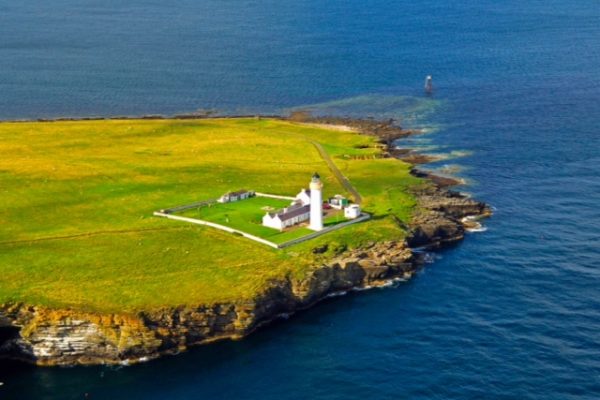
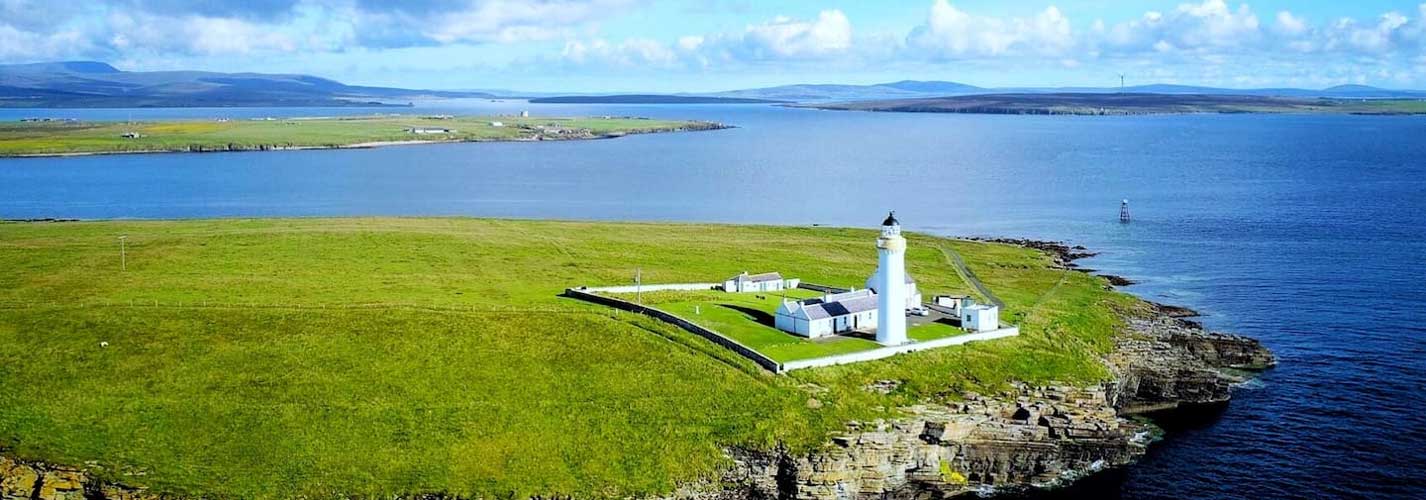
Cantick Head Lighthouse Self Catering Cottage on Hoy – Arguably the best accommodation in Orkney. Steal away from civilisation, to an historic haven, with dramatic sea views out towards the Pentland Firth and Caithness on mainland Scotland.
Perched atop a breathtaking cliff, on the red sandstone Scottish island of South Walls, Hoy, Cantick Head Lighthouse Self Catering Cottage is remote enough to make you feel as though you’ve been magically spirited away from everyday life.
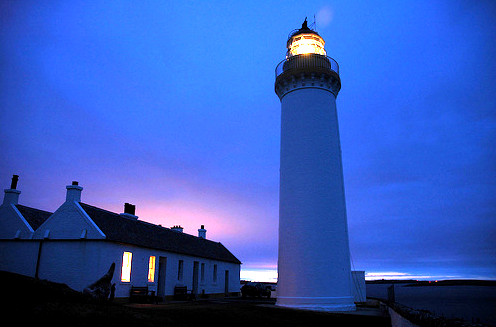
Adjacent to the historic lighthouse tower itself, the cosy self-catering cottage is dog friendly and sleeps four to five guests in two bedrooms; ideal for a true ‘get away from it all’ break for a family or a group of close friends.
Once the home of a Victorian lighthouse keepers family (the lighthouse was built in 1856), you can expect timeless comfort in instantly charming surroundings. Everything you need for a relaxing holiday or vacation is here, including a well-equipped kitchen, a family bathroom, and a snug lounge that comes complete with a warming fireplace.
Oh, and if you can’t tear yourselves away from those mod cons, you’ll find there’s Wi-Fi (vital for updating your Instagram account with magnificent holiday sea views), a TV, and a great selection of DVD’s.
Better still, if you enjoy far-reaching sea views, you’re in for a genuine treat, for we boast some of the best in Scotland. Most of the rooms overlook incredible Orkney scenery and, as you’re on top of a high cliff, those dramatic views will seem as though they stretch out forever.
Watch the huge, rolling waves as they lead your gaze out towards the Pentland Firth and mainland Scotland, or across the hills of Hoy – the highest you’ll see on the Orkney Islands. Watching that incredible, ever-changing Orkney vista is likely to become completely addictive, whether you’re taking in the sunrise with your morning coffee or gathering together for sunset tipples.
Yet if you’re not one for staying in, you won’t have to! Light the firepit, by evening, for a sizzling al fresco holiday supper cooked on the barbecue, while by day you can get up close and personal with those waves, with kayaks and paddle boards available to hire.
You can also hire a bike (or bring your own) and explore the surrounding area. Head for the Hill of White Hamars wildlife reserve for some incredible opportunities to spot nesting seabirds and grey seals, along with some gorgeous wildflowers during the summer months!
Wander towards Hoy if you’re more of a rambler, where you’ll spot the beach at Rackwick and the iconic Old Man (a 449-foot red sandstone sea stack that’s very popular with climbers) and immerse yourselves in famed Orkney myths and Viking legends whilst spotting endless bird varieties.
Of course, you could simply stretch out on the sandy beach with a book, or head into nearby Longhope for some holiday supplies before heading back to the comfort of your lighthouse cottage accommodation. Simply and refreshingly, the choice is entirely yours.
At a glance
• Cosy lighthouse self-catering cottage, the former home of a Victorian lighthouse keeper, set adjacent to the historic working lighthouse tower on the Scottish island of South Walls, Hoy which is part of the Orkney Isles.
• The self-catering dog friendly accommodation sleeps four to five guests in comfort. Expect incredible Orkney views out towards the Pentland Firth and beyond to mainland Scotland.
• The site features hot tub, sauna, outdoor cooking facilities and laundry facilities. Bicycles, kayaks and paddle boards can be hired.
• There are shops, pubs and restaurants on the island.
• There is a white sandy beach and a nature reserve close by.
• We aim to provide the best accommodation in Orkney. Why choose bed and breakfast when you have access to the finest local Orkney produce with which to prepare your own gourmet meals.
Things to note
Smoking is not allowed in the cottage.
Check in after 3pm, check out before 10am.
Facilities
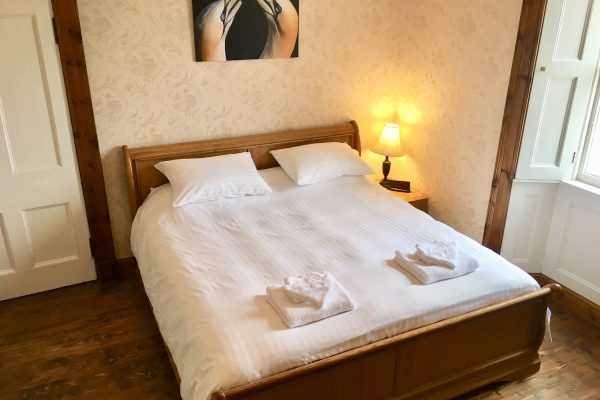
Lighthouse self-catering cottage with 2 bedrooms, one king size bed and the other prepared as a twin or king size (advise preference on booking). Wi-Fi, Indoor fireplace, Central heating, Laundry facilities, TV and DVD player.
Lighthouse self-catering cottage with 2 bedrooms, one king size bed and the other prepared as a twin or king size (advise preference on booking). Wi-Fi, Indoor fireplace, Central heating, Laundry facilities, TV and DVD player.
Outside: Sea views, Sauna, Hot Tub, BBQ and Firepit. Private entrance. Parking on premises.
Local activities
Cycling, kayaking, paddle boarding, swimming, walking, rock climbing, birdwatching.